Seasonal tile and grout maintenance for Tampa's climate
By Hannah Moreau · Updated 2026-07-20
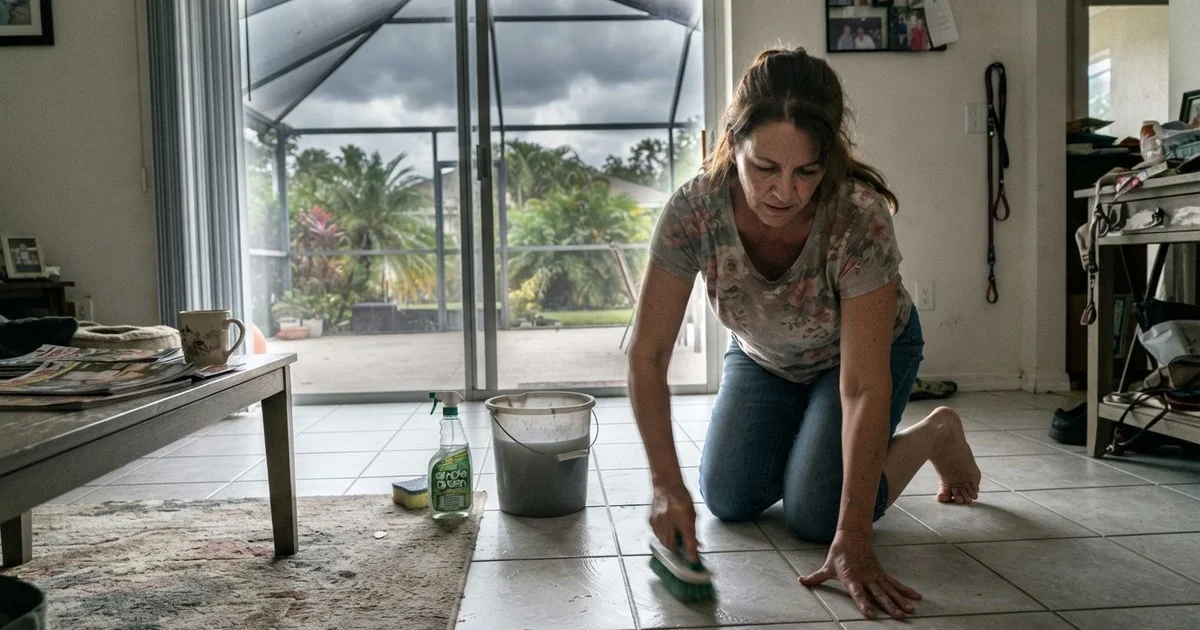
Tampa’s climate, humid most of the year with a distinct rainy season and real hurricane risk, puts more demands on tile and grout than a drier region would. A simple seasonal routine keeps small issues from turning into bigger repairs.
Year-round basics
A few habits matter regardless of season:
- Run bathroom exhaust fans during and after showers. This is the single most consistent thing you can do to limit moisture buildup in grout lines.
- Wipe down shower walls after use. Reducing standing water on tile and in grout joints slows mildew growth significantly.
- Address cracked grout or caulk promptly. A small crack today is a cheaper fix than the water damage it can lead to in a few months.
Before the rainy season (typically late spring)
Tampa’s wet season brings sustained higher humidity and heavier rainfall. Before it sets in, it’s worth:
- Resealing grout in showers and bathroom floors if it’s been close to a year since the last treatment, since the coming months will test it more than the drier part of the year.
- Checking caulk around tubs, showers, and any exterior-facing tiled thresholds for gaps that could let water track in during heavy rain.
- Confirming bathroom exhaust fans are working properly, since they’ll be working harder over the next several months.
During hurricane season (June through November)
Storm risk adds a layer beyond routine humidity concerns:
- Check grout and caulk at ground-level entry points where storm water could push in during heavy rain or flooding, even briefly.
- Know which tiled rooms sit lowest or closest to exterior doors, since these are the first areas likely to show water intrusion if flooding occurs.
- After any storm event with water intrusion, act quickly. Standing water against grout and subfloor for even a day or two significantly raises the odds of mold taking hold underneath.
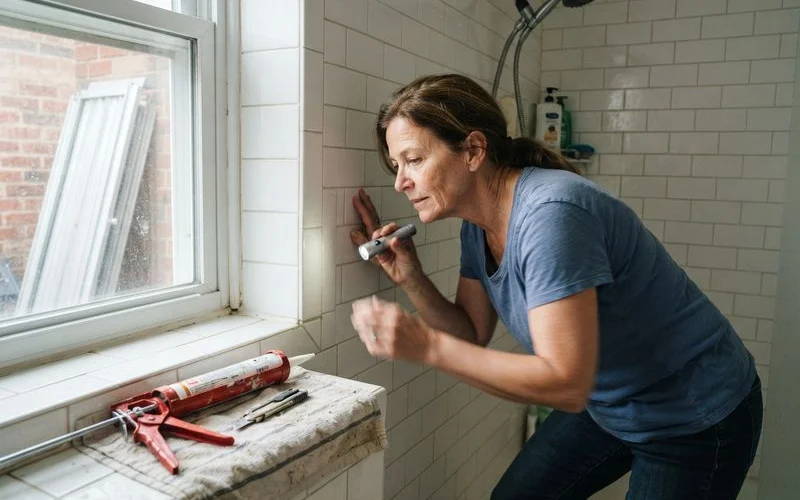
Table: a simple seasonal checklist
| Season | Key task |
|---|---|
| Late spring, before rainy season | Reseal grout in wet areas, check exhaust fans |
| Rainy season (summer) | Run fans consistently, watch for mildew in grout |
| Hurricane season (June-Nov) | Check ground-level caulk, act fast after storm water intrusion |
| Winter (drier months) | Good window for any full regrout or repair work |
Winter’s relative dryness makes it a practical window for scheduling any regrout or repair work that’s been on the list, since materials cure more predictably without the peak humidity of summer.
Outdoor tile needs its own attention
Lanai floors, pool decks, and covered patios take a different kind of seasonal wear than indoor tile. Direct sun and rain cycle tile through repeated wet-dry stress, and grout in these areas often fails faster than indoor grout as a result. Checking outdoor tile and grout each spring, before the heaviest rain and heat arrive, catches small cracks before a full season of exposure widens them. Pool deck tile also deals with chlorine and splash-out, which can affect sealant differently than plain rainwater, so ask a contractor specifically about pool-safe sealing products if that applies to your outdoor space.
Building a simple seasonal habit
None of these tasks take long individually, which is exactly why they’re easy to let slide. Tying grout resealing to a date you’ll actually remember (the start of hurricane season, a birthday, the first hot week of the year) makes it more likely to happen on schedule rather than getting pushed off indefinitely. A five-minute walkthrough of showers, tubs, and any ground-level tiled entry points twice a year catches most of what turns into a bigger repair later.
When routine maintenance isn’t enough
If grout keeps failing in the same spot despite regular sealing, or if a storm has caused visible water intrusion near tile, that points past routine maintenance toward an actual repair. A tile repair and regrouting specialist in Tampa can assess whether the issue is isolated or points to a bigger waterproofing problem worth addressing directly. For a sense of what that repair might cost, see our guide on signs your grout needs repair, and what fixing it costs.
For details on how contractors on this site are scored, see our methodology. Visit the homepage to browse tile contractors across every category we cover.
FAQ
- How often should grout be resealed in Tampa's climate?
- Roughly once a year for wet areas like showers, and every one to three years for drier floors, depending on foot traffic and how porous the grout is. Tampa's year-round humidity means resealing on schedule matters more than in a drier climate.
- Should I do anything to my tile floors before hurricane season?
- Check that grout and caulk around any exterior doors or ground-level tile are intact, since storm flooding can push water through even small gaps faster than a normal rain. If your area has flooded before, know which tiled rooms are most exposed.
- Does Tampa's rainy season affect indoor tile maintenance?
- Indirectly, through higher ambient humidity that gives mold and mildew more opportunity to grow in grout lines, especially in bathrooms with weaker ventilation. Running exhaust fans consistently during this stretch matters more than in the drier months.
- What tile maintenance is most often skipped?
- Grout sealing. It's easy to forget since it doesn't have an obvious symptom until staining or crumbling shows up, unlike a leak or a visible crack that demands immediate attention.