DIY tile backsplash vs hiring a pro: what actually changes
By Hannah Moreau · Updated 2026-06-28
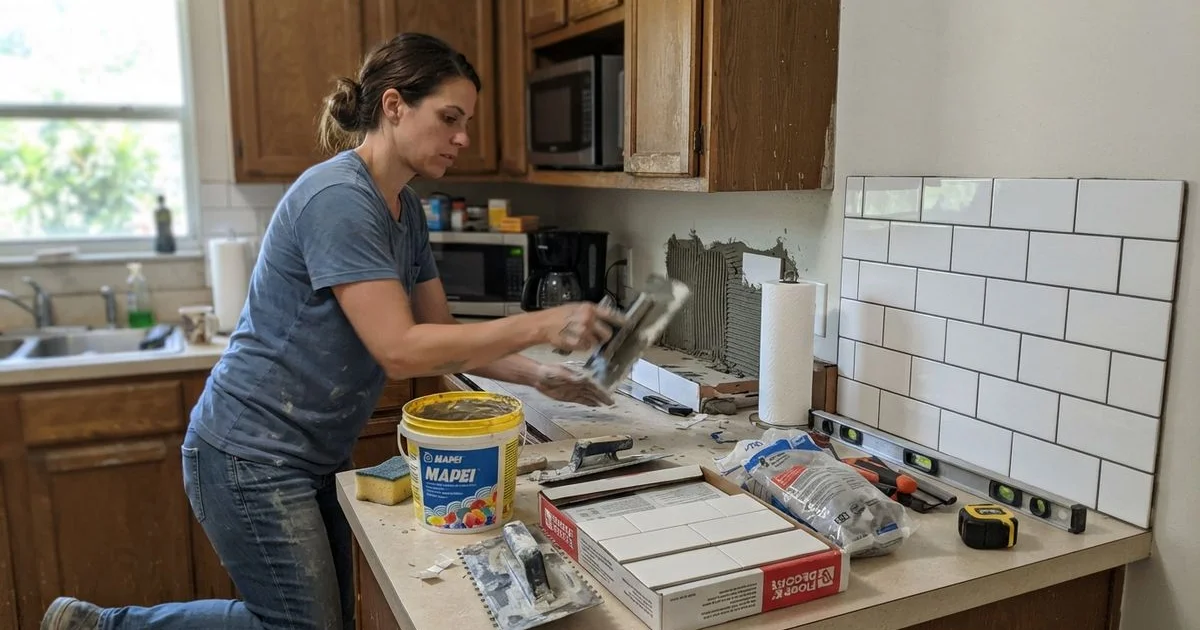
A kitchen backsplash is one of the more common DIY tile projects, and for good reason: it’s a small, contained area that doesn’t involve waterproofing or structural concerns the way a shower does. That doesn’t mean it’s always the right call. Here’s what actually changes between doing it yourself and hiring a pro.
What DIY actually saves
The main thing you save by doing a backsplash yourself is labor, which typically makes up close to half of a professional quote for this kind of job. Material (tile, thinset, grout, spacers) costs about the same whether you buy it or a contractor does. Factor in any tools you don’t already own, like a wet saw or tile spacers, and the real savings shrink further, especially for a one-time project.
Where DIY backsplashes typically go wrong
A few mistakes show up more than others in backsplash projects that didn’t go as planned:
- Uneven spacing. Without consistent spacers, grout lines drift wider or narrower across the wall, which becomes obvious once the whole area is grouted.
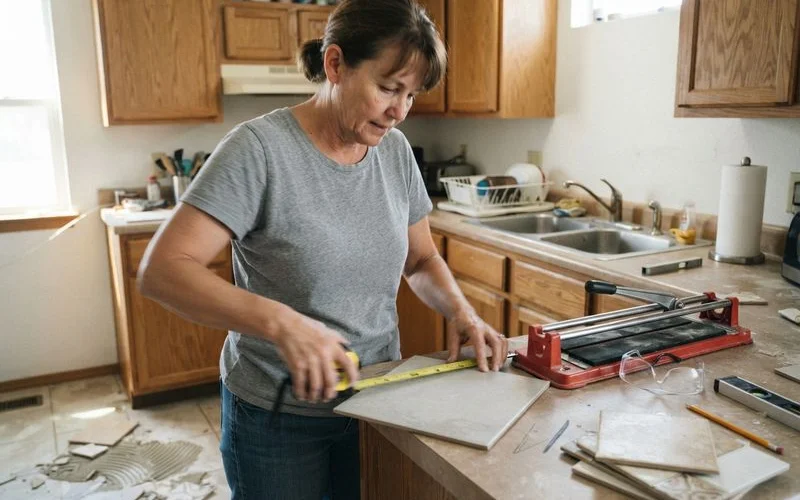
- Poor cuts around outlets and cabinets. Cutting tile to fit cleanly around an electrical outlet or under a cabinet edge takes practice. A slightly off cut is hard to hide in a small backsplash area since there’s nowhere for the eye to look away.
- Rushing the layout. Skipping the dry-layout step (placing tile without adhesive first to plan the pattern) often leads to an awkward sliver of tile at one end of the wall instead of a balanced look on both sides.
- Wrong adhesive for the tile. Glass and some natural stone tiles need a different mortar than standard ceramic. Using the wrong type can lead to tiles slipping before the mortar sets or failing to bond properly.
When hiring a pro makes more sense
A few situations tip the decision toward hiring out, even for a project as contained as a backsplash:
| Factor | Leans DIY | Leans professional |
|---|---|---|
| Tile type | Standard ceramic subway | Glass, natural stone, or large-format |
| Layout | Simple, few obstacles | Multiple outlets, angles, or a pattern |
| Tile cost | Budget material | Expensive tile where mistakes are costly |
| Time available | Flexible weekend project | Need it done fast or reliably |
Glass and mosaic tile in particular are less forgiving of DIY mistakes, since they show adhesive lines and spacing errors more clearly than a matte ceramic tile would.
Tools you’ll need if you go the DIY route
Beyond tile, thinset, and grout, a few tools make the difference between a clean result and a frustrating one: a wet saw or tile nipper for cuts, a notched trowel sized for your tile, spacers to keep grout lines consistent, and a grout float for the finishing step. Renting a wet saw for a weekend is usually cheaper than buying one outright if this is a one-time project. Skipping the wet saw in favor of a cheaper hand tool is where a lot of the uneven, chipped cuts around outlets and cabinet edges come from.
A middle ground worth considering
Some homeowners buy the tile themselves to control cost and style, then hire a contractor just for installation labor. This keeps material selection in your hands while getting a professional result on the cuts and layout that are easiest to get wrong. If you’re weighing this option, kitchen backsplash tile specialists in Tampa can often quote labor-only work separately from a full material-and-install package, so it’s worth asking directly rather than assuming it’s an all-or-nothing choice.
Whichever way you go, a dry layout before any tile is set permanently is the single step that prevents the most regret, whether you’re doing it yourself or watching a pro do it. For a fuller look at how a professional job unfolds stage by stage, see our guide to what to expect during a tile installation job.
For more on how contractors on this site are ranked, see our methodology, and visit the homepage to browse every tile category.
FAQ
- Is a tile backsplash a reasonable DIY project?
- For a simple, small backsplash with standard subway tile and straight cuts, yes, plenty of homeowners do it successfully. Anything with electrical outlets to cut around, a large area, or premium tile where mistakes are costly is a harder call to make yourself.
- How much do I actually save doing it myself?
- You save the labor portion of a quote, which is often close to half the total cost for a straightforward backsplash. Material costs the same either way, and any tools you need to buy or rent eat into the savings.
- What's the most common DIY backsplash mistake?
- Uneven grout lines from inconsistent spacing, and cuts around outlets or cabinets that don't sit flush. Both are fixable but hard to undo cleanly once the tile is set, since removing and resetting individual tiles often damages the ones around them.
- Can a contractor fix a DIY backsplash that didn't turn out well?
- Often yes, though it depends how the tile was set. If it's just cosmetic (uneven grout lines, minor gaps), a contractor can sometimes clean it up. If tiles are loose or poorly bonded, a full redo is usually the more reliable fix.